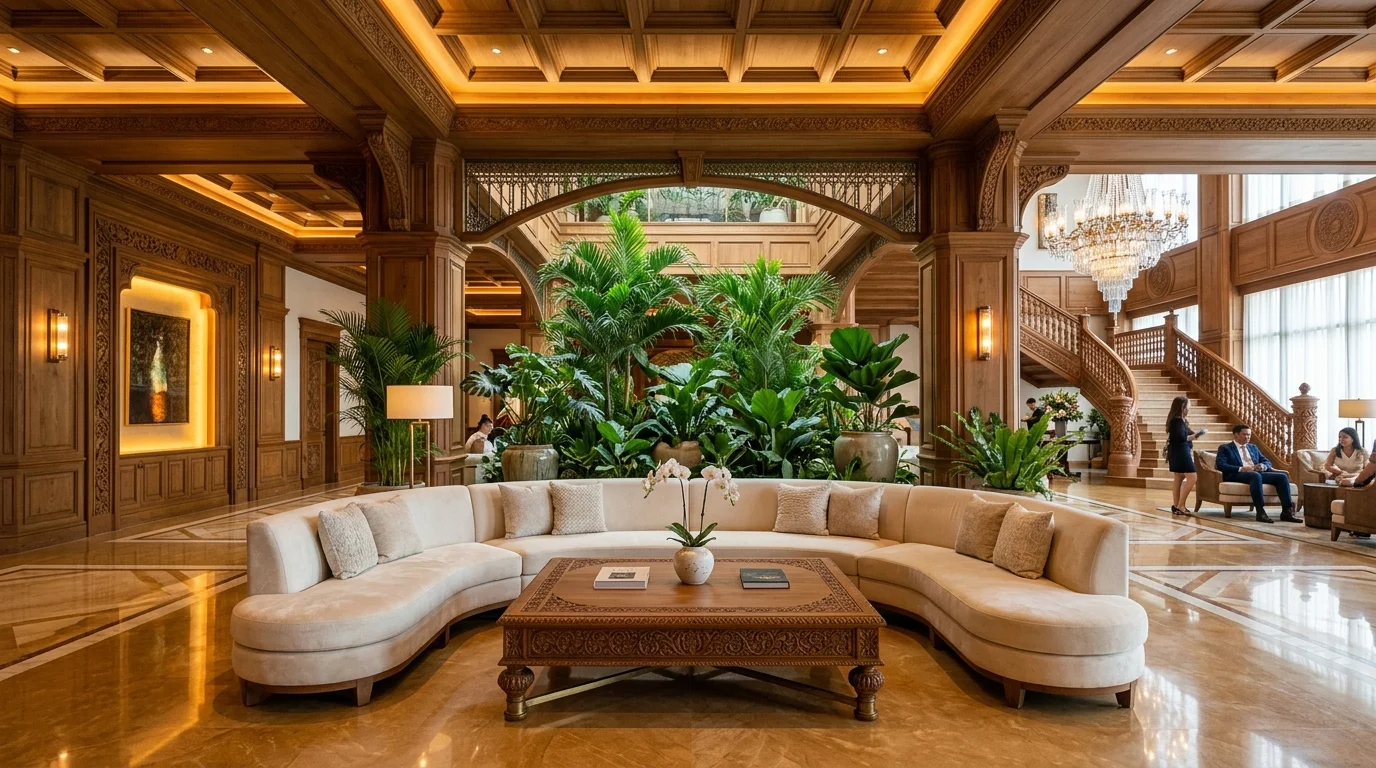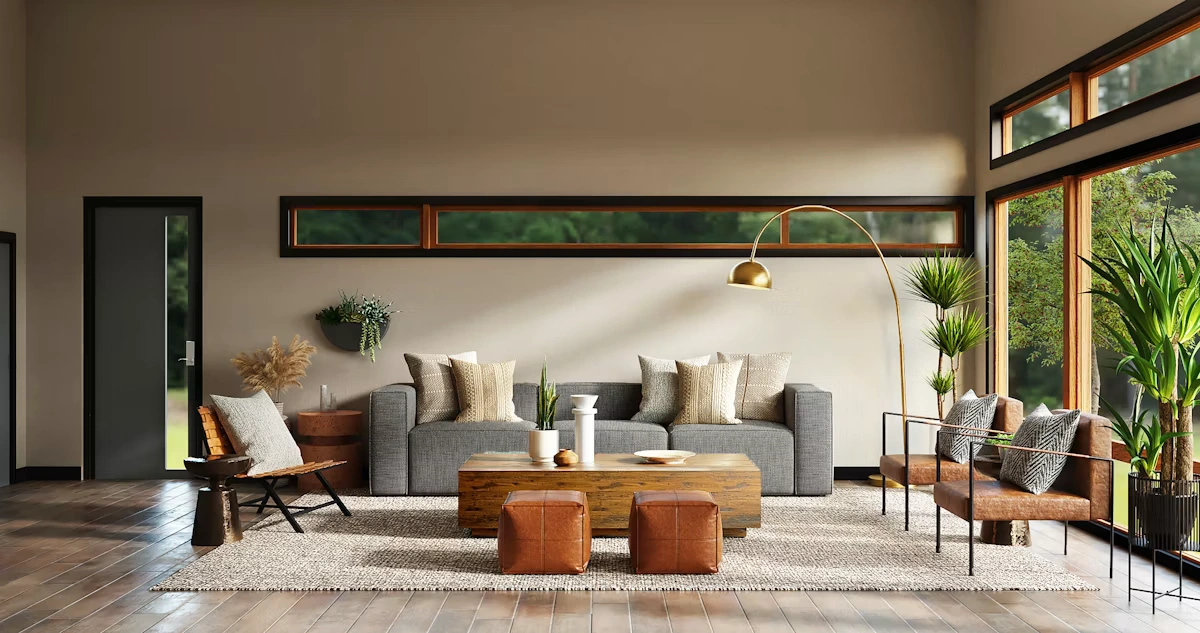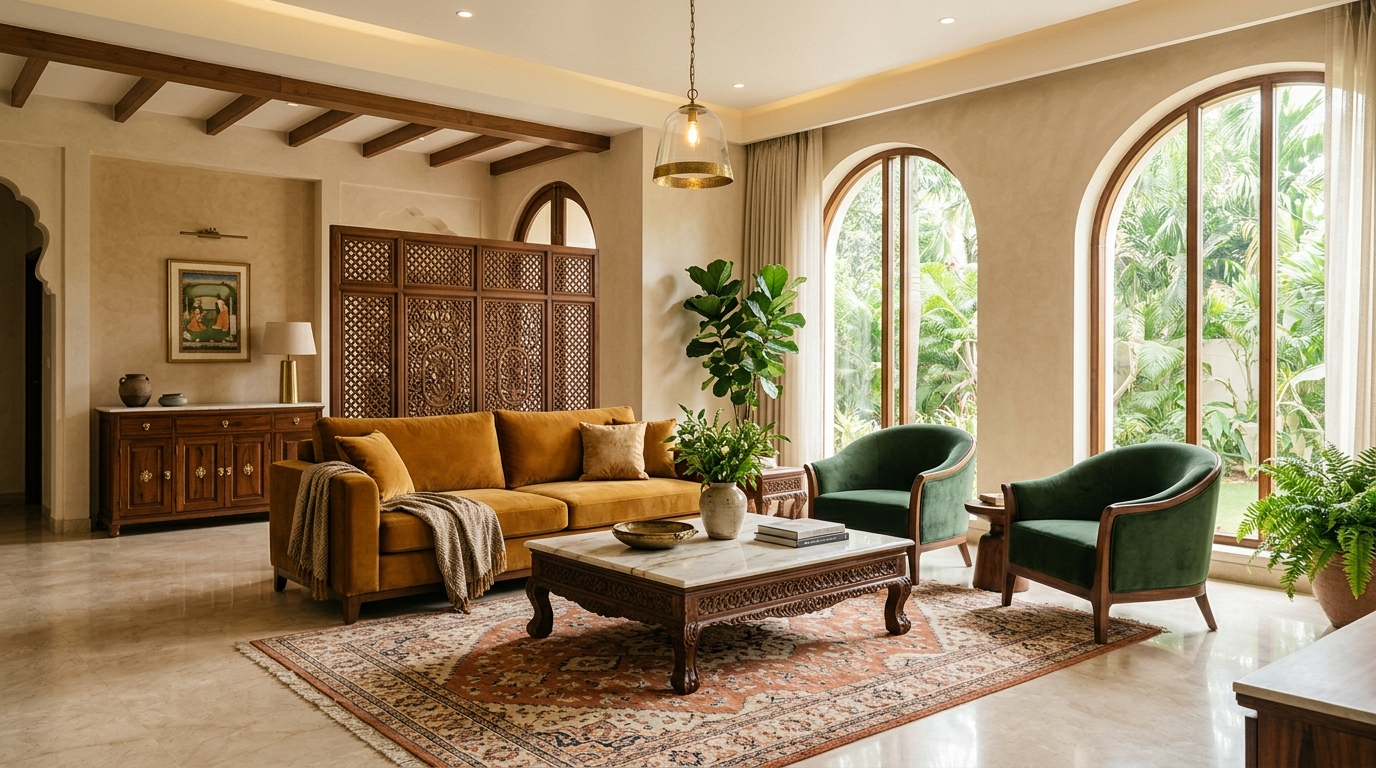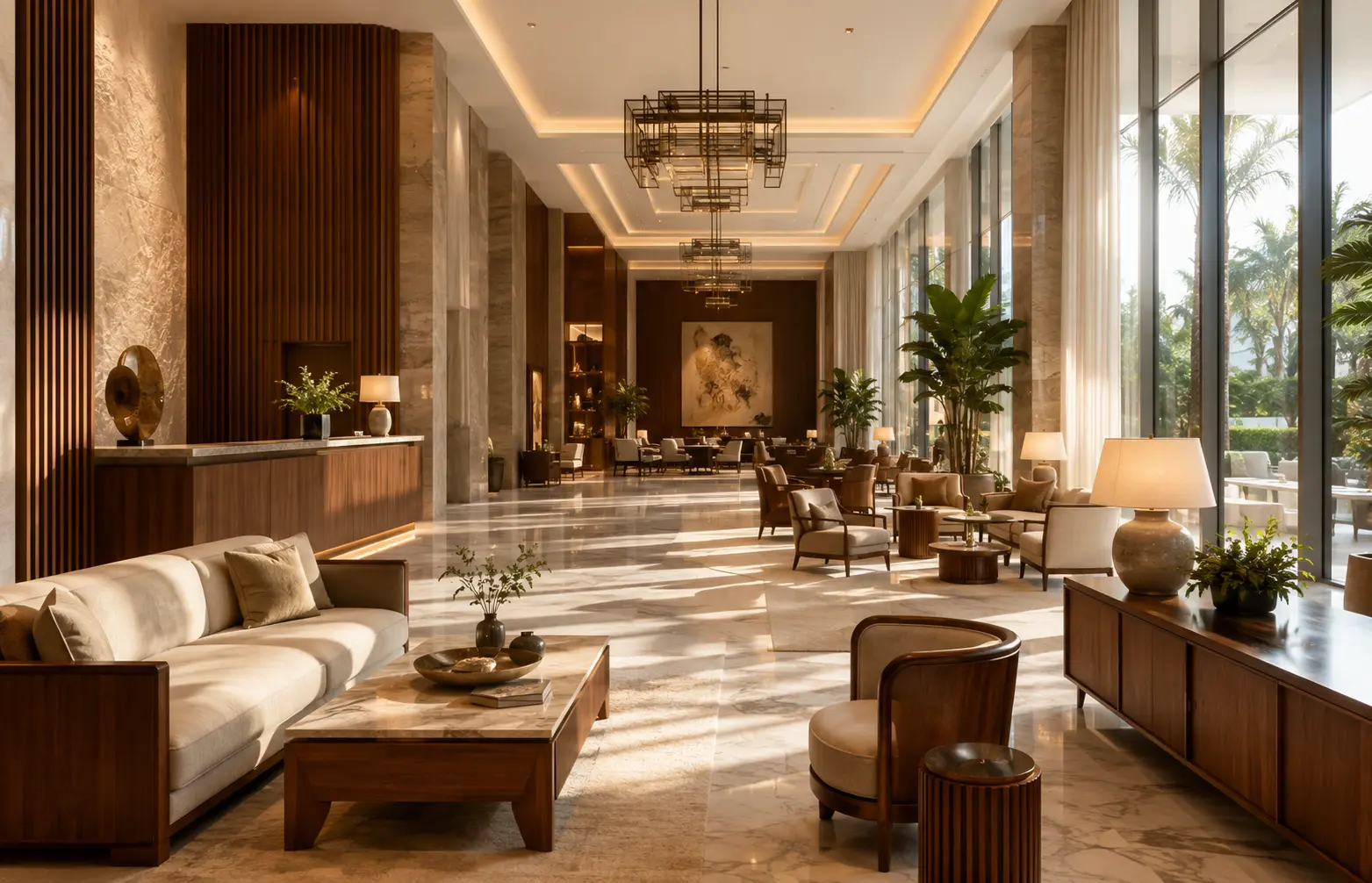

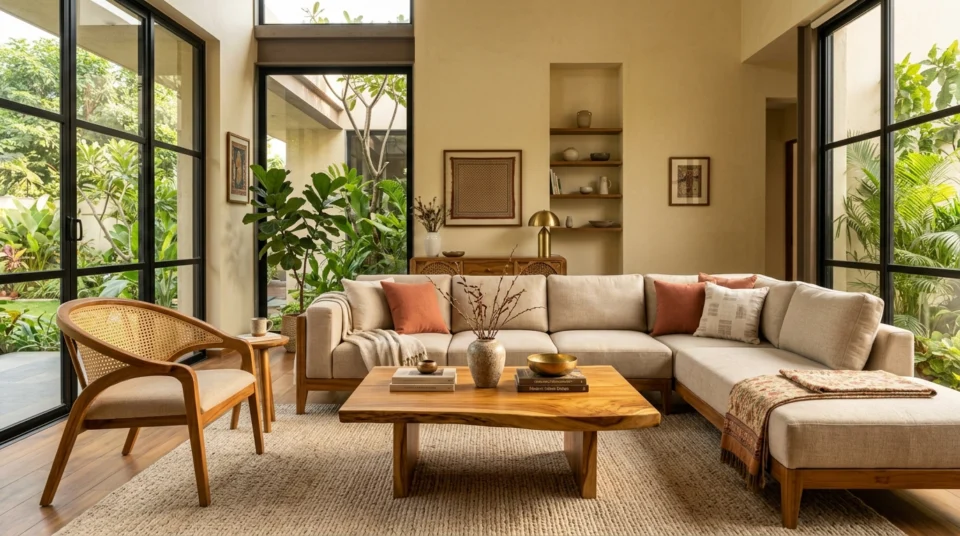
Every home tells a quiet story about the people who inhabit it, and that narrative takes shape most distinctly in the living room. It is the primary gathering space where quiet Sunday mornings unfold with a cup of tea, where lively conversations linger late into the evening, and where returning home at the end of a demanding day translates into immediate comfort. Yet, creating a living room that balances effortless hospitality with serene personal retreat requires far more than assembling attractive catalog pieces.
Selecting the right living room furniture is an exercise in architectural balance, tactile comfort, and material integrity. The pieces you introduce determine how naturally people move through the space, how light travels across different surfaces, and how comfortably your household functions daily. Whether you are furnishing a new villa, refining an open-concept apartment, or undertaking a thoughtful interior renovation, investing in well-proportioned, enduring furniture establishes the visual and emotional foundation of your home.
This comprehensive living room furniture guide explores the fundamental principles of spatial planning, material selection, ergonomic comfort, and design coordination to help you choose pieces that will serve your lifestyle with poise and durability for decades to come.
Why Living Room Furniture Matters
The furniture in your living room carries a dual responsibility: it must fulfill demanding everyday utility while defining the aesthetic spirit of your interior. When furniture is chosen with care and precision, it transforms an empty floor plan into a harmonious living environment.
- Daily Comfort & Well-Being: Ergonomically sculpted seating supports healthy posture, relieves physical fatigue, and invites genuine relaxation for family and visitors alike.
- Practical Functionality: Thoughtfully placed side tables, intuitive storage units, and proportioned coffee tables keep daily essentials within reach without visual clutter.
- Interior Aesthetics & Character: The natural grain of solid hardwoods, the tactile depth of woven textiles, and tailored silhouettes collectively express your personal design sensibility.
- Space Utilization & Flow: Proportionate furniture optimizes square footage, maintaining clear, unhindered pathways and preventing rooms from feeling cramped or sparse.
- Long-Term Value: High-quality, handcrafted wooden furniture resists premature wear, avoiding the recurring cost and environmental toll of disposable fast-furniture cycles.
Essential Living Room Furniture
A complete living room arrangement is composed of complementary pieces that balance visual weight, seating capacity, surface utility, and concealed storage. Understanding the distinct role of each essential furniture category makes coordinating your layout intuitive and rewarding.
Living Room Sofa: The Anchor of Your Space
The living room sofa is undeniably the anchor around which the entire room revolves. It dictates the primary orientation of your seating layout and absorbs the heaviest daily use. When choosing a luxury sofa, evaluate seat depth (typically 20 to 24 inches for upright lounging or 25+ inches for deep relaxation), seat height (17 to 19 inches from the floor for comfortable leg support), and internal frame construction.
Solid hardwood frames, high-resilience multi-density foam, and premium upholstery fabrics ensure that the silhouette retains its crisp lines and supple support without sagging over years of continuous enjoyment.
Coffee Table: The Functional Centerpiece
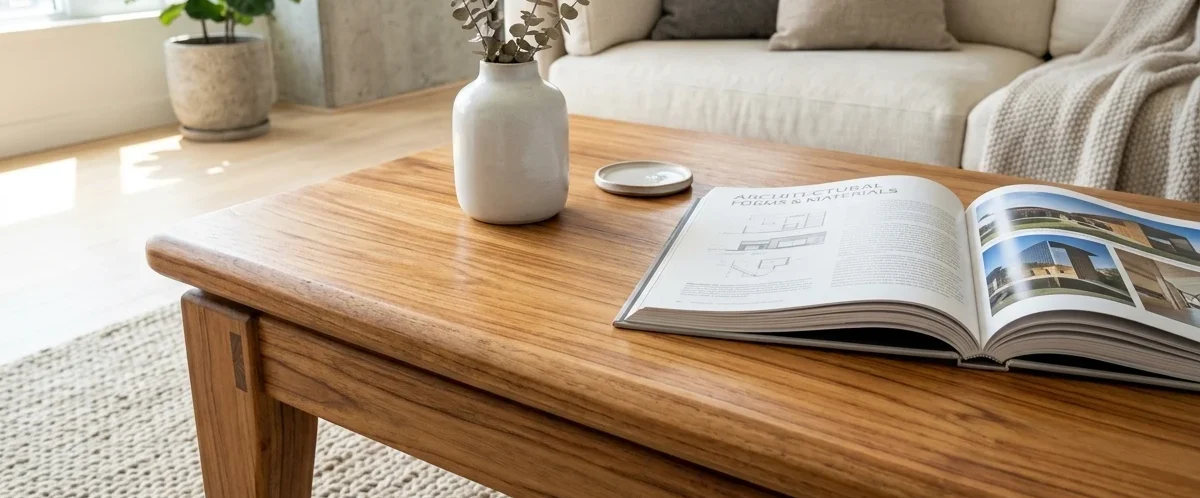
A well-chosen coffee table bridges individual seating elements into a unified conversation cluster. Proportion is key: an ideal coffee table should measure roughly one-half to two-thirds the total length of your sofa, with a surface height sitting 1 to 2 inches lower than (or level with) your sofa’s seat cushions.
Whether crafted from solid teak, sculpted with organic rounded edges, or accented with subtle stone inlays, the coffee table provides essential surface area for books, beverages, and decorative artifacts while anchoring the center of the rug.
Accent Chairs: Silhouette and Seating Diversity
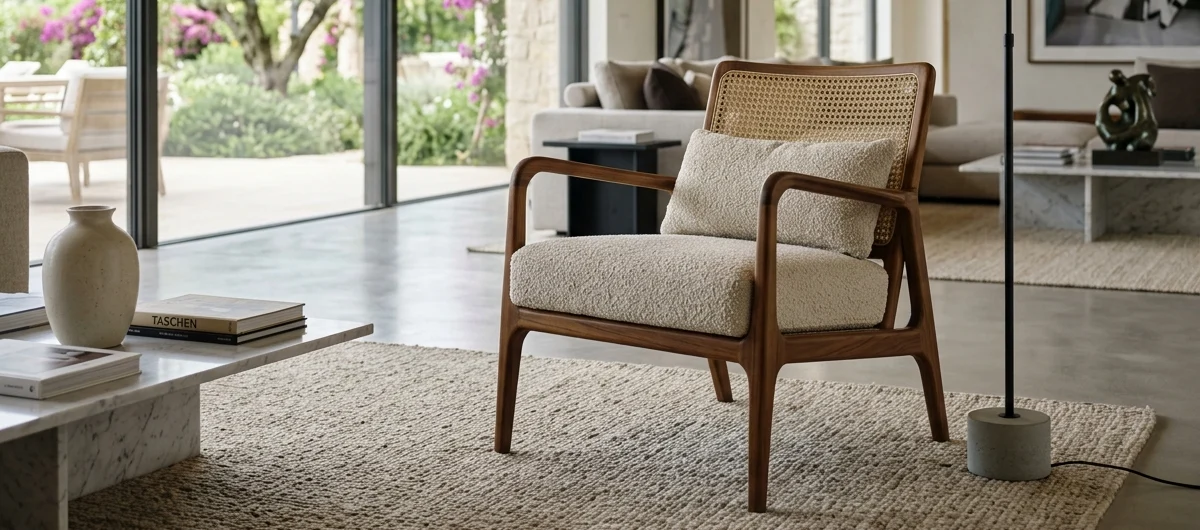
Accent chairs introduce visual dynamism, dynamic textures, and flexible seating configurations. Rather than matching your sofa fabric identically, a distinctive accent chair offers an opportunity to experiment with contrasting materials—such as woven natural cane backrests, rich top-grain leather, or tactile bouclé upholstery.
Pairing two armchairs opposite the sofa creates a balanced, inviting conversation zone that makes hosting guests effortless and engaging.
Side Tables: Accessible Companion Surfaces
Side tables and end tables are vital companions placed at the arms of sofas and lounge chairs. Their primary purpose is human convenience: providing an easily reachable resting spot for a reading lamp, a warm cup of coffee, or a personal device without requiring you to lean forward toward the central table.
Opt for side tables that align closely with the arm height of the adjoining chair or sofa (typically within 1 to 2 inches) to maintain graceful visual continuity.
TV Unit & Media Console: Grounding Entertainment
Modern entertainment systems require dedicated media consoles that ground the visual presence of large screens while concealing cables, gaming consoles, and streaming hardware. A well-designed wooden TV unit should extend at least 4 to 8 inches wider than the television screen on each side to prevent top-heavy visual imbalance.
Integrated soft-close drawers, ventilated back panels, and floating or slender-legged profiles keep media walls feeling light and uncluttered.
Storage Furniture: Credenzas, Sideboards & Bookcases
Clutter is the antithesis of luxury. Incorporating dedicated storage pieces—such as handcrafted wooden credenzas, low sideboards, and architectural shelving—allows you to display curated artwork, ceramics, and books while discreetly tucking away linens, board games, and electronics.
How to Choose Living Room Furniture
Navigating the furniture selection process successfully requires a methodical approach that considers spatial constraints, architectural proportions, household routines, and ergonomic principles.
Consider Your Room Size & Spatial Volume
Room size dictates not only the maximum dimensions of individual pieces but also their visual density and leg profiles:
- Small Living Rooms (Under 150 sq. ft.): Choose compact 2-to-3-seater sofas with slender arms, elevated tapered legs that allow light to pass underneath, round nesting coffee tables that eliminate sharp corners, and wall-mounted media consoles.
- Medium Living Rooms (150–250 sq. ft.): Accommodate a full three-seater sofa, one or two accent chairs, a rectangular or oval wooden coffee table, and flanking end tables with integrated storage.
- Large Living Rooms & Luxury Villas (250+ sq. ft.): Demand substantial statement pieces to prevent the room from feeling echoing or underfurnished. Consider modular sectionals, pairs of matching accent chairs, oversized square or tiered coffee tables, and secondary reading vignettes.
- Open-Plan Living Spaces: Utilize furniture to define distinct functional zones without constructing physical walls. Floating a sofa with a low credenza behind its back cleanly separates the living area from the dining or kitchen zones.
Measure Before You Buy: Clearances and Distances
One of the most critical steps in furniture selection is verifying spatial clearances before placing an order. Keep these practical interior design guidelines in mind:
- Primary Walkways: Maintain a minimum of 30 to 36 inches of unobstructed circulation space along primary thoroughfares connecting doorways and adjoining rooms.
- Secondary Pathways: Allow 18 to 24 inches between secondary furniture items (e.g., between an accent chair and a bookcase).
- Sofa-to-Coffee Table Distance: Keep 14 to 18 inches between the front edge of the sofa seat and the coffee table. This allows ample legroom while keeping drinks within comfortable reach.
- TV Viewing Distance: Position seating approximately 1.2 to 1.5 times the diagonal measurement of your TV screen (for example, a 65-inch screen is comfortably viewed from 6.5 to 8.5 feet away).
- Entryway & Staircase Clearance: Always measure doorways, hallways, elevator cabs, and stairwells to confirm that large frames and assembled units can be navigated safely during delivery.
Choose Furniture Based on Your Lifestyle
A living room must support your household’s authentic everyday patterns. Families with young children or pets benefit from performance fabrics with stain-resistant treatments, rounded wooden corners that avoid sharp edges, and durable solid wood finishes that patina gracefully with age.
If you frequently entertain guests, prioritize modular seating, movable ottomans, and nesting tables that can be repositioned across the room on demand. For quiet, contemplative households, an ultra-deep lounge chair paired with an adjustable task lamp creates a personalized sanctuary.
Prioritize Comfort and Everyday Functionality
A striking silhouette means very little if a sofa is too rigid for an evening film or a coffee table is too delicate for everyday use. High-end living room furniture design succeeds when ergonomic comfort and refined visual proportions exist in seamless harmony. Always evaluate lumbar support, seat cushion composition, and surface ease of maintenance alongside aesthetic appeal.
Popular Living Room Furniture Styles
Identifying your preferred design language ensures that every piece you acquire contributes to a cohesive, thoughtfully curated living room interior.
Modern Living Room Furniture
Rooted in early-to-mid 20th-century design movements, modern furniture is characterized by clean horizontal planes, organic timber warmth, tapered wooden limbs, and honest material expression. Modern living room furniture eschews superfluous carvings in favor of structural purity, geometric balance, and thoughtful joinery.
Contemporary Living Room Furniture
Contemporary design reflects the evolving aesthetic of the present moment. It embraces fluid curved silhouettes, sculptural statement forms, rich neutral palettes, and artful contrasts—such as pairing matte dark-stained teak with light bouclé upholstery or brushed brass hardware.
Minimalist Living Room Furniture
Minimalism focuses on the beauty of essential forms and negative space. Every piece serves a distinct function and commands presence through impeccable proportions rather than decorative ornament. Low-profile wooden platforms, handle-less touch-latch cabinetry, and concealed storage dominate this serene style.
Traditional Living Room Furniture
Traditional furniture celebrates classical heritage, rich deep timber tones, architectural moldings, and ornate handcrafted details. Turned wooden legs, rolled arms, and hand-carved floral or fluted motifs bring timeless gravitas and warmth to heritage homes and stately bungalows.
Luxury Living Room Furniture
Luxury living room furniture is defined not by ostentatious branding, but by exceptional master craftsmanship, custom-tailored dimensions, rare timber cuts with distinctive grain, hand-finished surfaces, and tactile textile pairings that elevate the daily living experience.
Best Materials for Living Room Furniture
The longevity, tactile warmth, and visual character of your furniture depend directly upon the quality of materials selected during manufacturing. Solid hardwoods, natural fibers, and precision metal accents offer distinct aesthetic and performance qualities.
Teak Wood (Tectona grandis): The Gold Standard of Hardwoods
Teak wood is celebrated across the furniture industry for its high natural oil content, tight grain structure, and exceptional dimensional stability. These natural oils provide inherent resistance to moisture, termites, and fungal decay, ensuring that teak furniture resists warping through seasonal shifts in humidity. Over time, teak develops a rich, golden-brown luster that deepens with age, making it an extraordinary material for bespoke sofas, coffee tables, and dining consoles.
Sheesham Wood (Indian Rosewood): Striking Grain & Density
Sheesham is renowned for its remarkable density and dramatic, high-contrast wood grain patterns ranging from warm golden honey to deep chestnut streaks. Its natural hardness makes it highly resistant to surface dents and scratches, lending itself beautifully to bold statement coffee tables, robust TV consoles, and structured bookshelves that showcase the natural drama of solid timber.
Mango Wood: Sustainable Warmth & Tactile Texture
Harvested sustainably once fruit-bearing cycles conclude, seasoned Mango wood offers a lighter, golden-to-tan baseline enriched by subtle kaleidoscopic color variations and pinkish or grey undertones. It responds exceptionally well to artisanal brushing, wire-texturing, and matte wax finishes, making it a popular choice for contemporary, Japandi, and rustic living room furniture.
Natural Cane & Rattan: Breathable Artisanal Texture
Hand-woven natural cane inserts introduce visual lightness and textural contrast to solid wood furniture. Utilized in accent chair backrests, sideboard door panels, and headboards, cane allows ambient light and air to pass through, softening heavy silhouettes and adding a touch of tropical elegance.
Upholstery Fabrics: Linen, Bouclé, Velvet & Performance Weaves
Upholstery determines the tactile touchpoint of your seating. Natural linen offers unmatched breathability and a casual, sophisticated drape; textured bouclé provides plush dimensional warmth; cotton-velvet introduces deep luster and dramatic color depth; and modern performance weaves resist liquid spills and pilling for high-traffic family lounges.
Metals & Accents: Brass, Bronze & Powder-Coated Steel
Subtle metal elements—such as patinated brass ferrules on table legs, brushed bronze cabinet pulls, or slender steel sub-frames—provide crisp structural definition and metallic warmth that beautifully contrasts with natural wood grains.
How to Create a Luxury Living Room
Creating an atmosphere of quiet luxury requires deliberate restraint, thoughtful curation, and an appreciation for master craftsmanship rather than excess ornament.
- Master Proportions & Negative Space: Avoid overcrowding your floor plan. Allowing generous breathing room around each furniture piece lets its silhouette and artisanal detailing stand out.
- Incorporate Statement Pieces: Anchor the room with one or two exceptional handcrafted focal points—such as a sculpted solid teak coffee table or an architectural lounge chair.
- Harmonize Material Layers: Build sensory depth by contrasting smooth hand-rubbed timber, tactile woven upholstery, sheer linen drapery, and honed natural stone.
- Adopt a Sophisticated Neutral Palette: Base your primary furniture in timeless warm neutrals (taupe, oatmeal, charcoal, rich cognac) and introduce depth through subtle tone-on-tone textures.
- Layer Warm Architectural Lighting: Ditch harsh single overhead fixtures in favor of low-level ambient lighting—incorporating floor lamps beside armchairs, soft table lamps, and wall sconces.
Living Room Furniture Ideas for Different Spaces
Every residential layout presents unique spatial opportunities. Tailoring your furniture selection to your specific floor plan ensures optimal comfort and functionality.
Compact City Apartments
Maximize visual floor area by selecting sofas with elevated tapered wooden legs and low-profile back cushions. Replace heavy rectangular center tables with circular nesting coffee tables that can tuck away when not in use. Incorporate a slender floating wall-mounted TV console to preserve valuable floor space.
Luxury Villas & Expansive Living Rooms
Large footprints require substantial scale to prevent the space from feeling disconnected. Form multiple intimate seating clusters: a primary lounge area centered around an oversized solid wood coffee table, accompanied by a secondary pair of armchairs angled beside a window for morning reading or evening cocktails.
Open-Plan Living & Dining Spaces
Use the back of your living room sofa or a low wooden console table as a natural partition between living and dining zones. Maintain a consistent timber species and finish palette across your living and dining furniture to establish seamless visual harmony throughout the shared space.
How to Arrange Living Room Furniture
An intuitive furniture arrangement guides human movement naturally and creates an inviting environment for conversation and relaxation.
- Define Your Primary Focal Point: Orient your main seating toward the room’s most compelling feature—whether a large garden window, an architectural fireplace, or a bespoke media feature wall.
- Float Furniture Away from Walls: In medium to large rooms, pull sofas and chairs at least 6 to 12 inches away from perimeter walls to give the layout depth and sophistication.
- Create Intimate Conversation Zones: Position seating pieces so that guests face each other naturally within an 8-to-10-foot radius, enabling effortless conversation without raising voices.
- Ensure Table Reachability: Every seat in the room should have convenient access to a surface—either the central coffee table or a side table—within arm’s reach.
- Protect Natural Light Pathways: Avoid placing tall bookcases or high-backed sofas directly across windows where they would obstruct incoming daylight.
Custom Living Room Furniture: When Is It Worth It?
While mass-manufactured retail furniture is widely available, custom living room furniture offers an unmatched level of personalization, spatial precision, and heirloom construction. Commissioning bespoke pieces becomes particularly valuable when:
- Architectural Irregularities Exist: Odd room angles, structural columns, alcoves, or non-standard wall lengths require furniture made to exact millimeter specifications to maximize usable square footage.
- Specific Ergonomic Preferences: Tailoring seat height, back cushion angle, and foam density ensures personalized comfort for individuals of varying heights or posture needs.
- Curated Material & Finish Matching: Custom fabrication allows you to select specific timber species (such as Grade-A Teak or sustainably sourced Sheesham), precise wood stains, and exact designer upholstery fabrics that harmonize with your existing architecture.
- Uncompromising Build Quality: Custom workshops like Zaioraa employ traditional joinery methods—such as mortise-and-tenon joints and hand-applied natural oil finishes—that far surpass mass-assembly durability.
Custom vs Ready-Made Living Room Furniture
To help you evaluate the best approach for your home furnishing project, compare the core characteristics of bespoke custom pieces against off-the-shelf ready-made options:
Comprehensive Comparison: Custom vs Ready-Made Living Room Furniture
| Criterion | Custom Living Room Furniture | Ready-Made Retail Furniture |
|---|---|---|
|
Customization & Sizing |
Made to exact millimeter dimensions tailored to your room layout. |
Fixed standard catalog dimensions that may compromise floor space. |
|
Design Flexibility |
Complete freedom over timber species, finishes, fabric, and detailing. |
Limited to predefined factory finishes and standard upholstery options. |
|
Material Quality |
Full transparency in selecting solid hardwoods (Teak, Sheesham) and premium foam. |
Often relies on engineered wood, veneers, and commercial foam fills. |
|
Construction & Joinery |
Artisanal mortise-and-tenon joinery built for multi-generational longevity. |
Mass-produced dowel or cam-lock joints designed for standard lifecycles. |
|
Lead Time |
Typically 3 to 6 weeks for precision handcrafted fabrication. |
Immediate to 1-2 weeks delivery from existing warehouse inventory. |
|
Project Suitability |
Ideal for luxury residences, unique layouts, villas, and bespoke renovations. |
Best suited for quick temporary setups or budget-restricted rental properties. |
|
Investment Value |
Higher upfront cost with exceptional long-term durability and heirloom value. |
Lower initial cost but higher likelihood of replacement within 3 to 7 years. |
How to Build a Coordinated Living Room
A sophisticated living room looks curated over time rather than purchased in a single matching showroom set. Strive for visual coordination rather than rigid matching:
- Coordinate Wood Undertones: You can mix different wood species (e.g., teak and oak) as long as their underlying color temperatures (warm, cool, or neutral) harmonize.
- Vary Silhouettes & Shapes: Balance a rectangular, structured sofa with an oval coffee table and curved sculptural accent chairs to avoid visual monotony.
- Ground with the Right Rug: Ensure your area rug is large enough so that at least the front legs of all major seating pieces rest securely on it (typically an 8×10 ft or 9×12 ft rug).
- Balance Weight & Heights: Distribute tall items (like bookcases or floor lamps) evenly across the room rather than clustering them on one side.
Common Living Room Furniture Buying Mistakes to Avoid
Avoiding these common purchasing pitfalls will save you time, expense, and daily frustration:
- Purchasing Without Measuring: Buying based on showroom appearance without mapping floor footprints and doorway clearances.
- Prioritizing Aesthetics Over Ergonomics: Choosing a visually striking chair that is uncomfortable to sit in for more than fifteen minutes.
- Overcrowding the Floor Plan: Squeezing too many seating units into a room, choking natural circulation corridors.
- Buying Identical Matching Suites: Purchasing a sofa, loveseat, coffee table, and side tables in matching cookie-cutter sets, which creates a flat, uninspired showroom feel.
- Ignoring Lifestyle Realities: Selecting delicate, stain-prone silk velvet for a high-traffic home with pets and young children.
- Neglecting Cable Management: Overlooking cord routing and power outlet access when positioning TV units and lamp-bearing side tables.
How to Choose Living Room Furniture That Lasts
Longevity is the true hallmark of furniture quality. When inspecting or commissioning furniture, pay close attention to the structural integrity beneath the surface:
- Inspect the Internal Frame: High-quality sofas and chairs utilize kiln-dried solid hardwood frames rather than particle board or soft plywood.
- Examine the Joinery: Look for traditional wood joinery such as mortise-and-tenon, corner blocks, and dovetail drawers rather than glue and staples.
- Evaluate Cushion Density: Seat cushions should feature high-resilience (HR) polyurethane foam (32–40 kg/m³ density) wrapped in feather or fiber down for lasting loft.
- Choose Natural Protective Finishes: Breathable oil or matte polyurethane finishes protect the timber while allowing the wood’s natural grain and tactile character to shine through.
Why Choose Handcrafted Living Room Furniture?
In an era of automated, flat-packed mass production, handcrafted furniture represents a conscious return to authenticity, artistic integrity, and material honesty. Master woodworkers inspect every timber plank, aligning natural grain flows, hand-planing edges, and applying time-honored joinery that machinery alone cannot replicate.
Brands like Zaioraa preserve this heritage of fine Indian woodcraft, combining artisanal benchwork with contemporary architectural design. Each handcrafted piece carries subtle, unique grain variations that make it a truly one-of-a-kind addition to your home, growing more distinguished with each passing year.
Final Tips for Choosing Living Room Furniture
Before finalizing your living room furniture selections, review this concise checklist:
- Always tape out furniture footprints on the floor with painter’s tape to visualize scale and walking pathways.
- Invest the largest portion of your budget in the primary sofa and central coffee table, as they receive the highest daily use.
- Maintain a 14-to-18-inch clearance between your sofa and coffee table for optimal comfort.
- Choose solid hardwood over veneered particle board for pieces expected to last more than a decade.
- Vary textures across upholstery, timber, and metal accents to create subtle visual depth.
- Prioritize high-resilience foam and kiln-dried timber frames for enduring seating support.
- Opt for custom dimensions when furnishing rooms with unique layouts, alcoves, or architectural features.
- Never sacrifice daily ergonomic comfort purely for catalog aesthetic appeal.
Understanding Hardwood Timber Species
Selecting solid timber is the single most decisive factor in furniture longevity, weight, and graceful aging. Explore each material to understand its unique characteristics.
Teak Wood (Tectona grandis)
Natural Oil Chemistry: Packed with natural silica and essential teak oils that naturally deter moisture absorption and pests.
Dimensional Stability: Minimal expansion or shrinkage during tropical monsoon and dry winter cycles.
Best Applications: Architectural sofas, centerpiece coffee tables, dining tables, outdoor furniture, and heirloom custom furniture.
Sheesham Wood (Indian Rosewood)
Visual Drama: Striking grain with deep chestnut and golden amber ribbons that make every cut singular.
Hardness & Resilience: : High surface density offers exceptional scratch and impact resistance.
Best Applications: Statement TV credenzas, robust bookshelves, and monolithic occasional tables.
Mango Wood (Mangifera indica)
Natural Character: Features distinctive grain variations and warm natural tones, making every handcrafted piece visually unique.
Sustainable Choice: Mango wood is commonly sourced after fruit-producing trees reach the end of their productive lifecycle.
Best Applications: Coffee tables, side tables, cabinets, consoles, dining furniture, and decorative living room pieces.
Natural Hand-Woven Cane
Natural Construction: Carefully woven natural cane creates a lightweight, breathable, and visually elegant furniture surface.
Craftsmanship: Traditional hand-weaving techniques add texture and artisanal character to contemporary furniture designs.
Best Applications: Accent chairs, cabinet fronts, headboards, ottomans, dining chairs, and relaxed luxury furniture.
Frequently Asked Questions
At minimum, every functional living room requires a primary seating piece (such as a three-seater sofa or sectional), a central coffee table positioned 14 to 18 inches away, at least one companion surface (side or end table), supplementary seating (such as an accent chair or lounge chair), and an entertainment or storage unit (such as a media credenza or TV console).
Prioritize multi-functional furniture with raised, slender legs to allow light to flow underneath, creating an illusion of greater floor area. Opt for low-profile backs, round or nesting coffee tables to eliminate hard corner clearance issues, and wall-mounted TV units to keep floor pathways unobstructed.
Teak wood (Tectona grandis) remains the premier hardwood choice due to its natural oils, exceptional tensile strength, and resistance to warping and seasonal humidity fluctuations. Sheesham (Indian Rosewood) offers striking rich grain contrast and density for statement pieces, while seasoned Mango wood provides a sustainable, warm-toned medium for contemporary silhouettes.
True luxury is grounded in restraint, bespoke proportions, and authentic material depth rather than overt ornamentation. Focus on generous spatial circulation (minimum 30–36 inches for walkways), artisanal solid wood joinery, high-grade tactile upholstery (such as linen, bouclé, or top-grain leather), warm layered architectural lighting, and bespoke custom furniture crafted to match your exact room dimensions.
Custom furniture is worthwhile whenever standard retail dimensions compromise room traffic, when architectural features (such as niches, columns, or bay windows) require specific tailored footprints, or when you desire bespoke hardwood grades, exact upholstery fabrics, and heirloom-quality mortise-and-tenon construction tailored to your lifestyle.
Anchor your seating around a defined focal point—such as an architectural window, fireplace, or media wall. Float seating away from exterior walls when space permits to foster intimate conversation zones (keeping seats within 8 to 10 feet of each other), ensure 14–18 inches between sofa and coffee table, and preserve clear 30–36 inch primary circulation corridors.
Handcrafted Living Room Furniture Designed
for Your Space
Looking for handcrafted living room furniture designed around your space? Explore Zaioraa's curated collection of solid wood sofas, coffee tables, and accent seating, or connect with our master design team for bespoke custom furniture solutions tailored to your home.
Blog
Get fresh home inspiration and helpful tips from our interior designers