
An Architectural & Craftsman’s Field Manual to Investing in Heirloom Wooden Furniture, Bespoke Joinery, and Timeless Interior Elegance
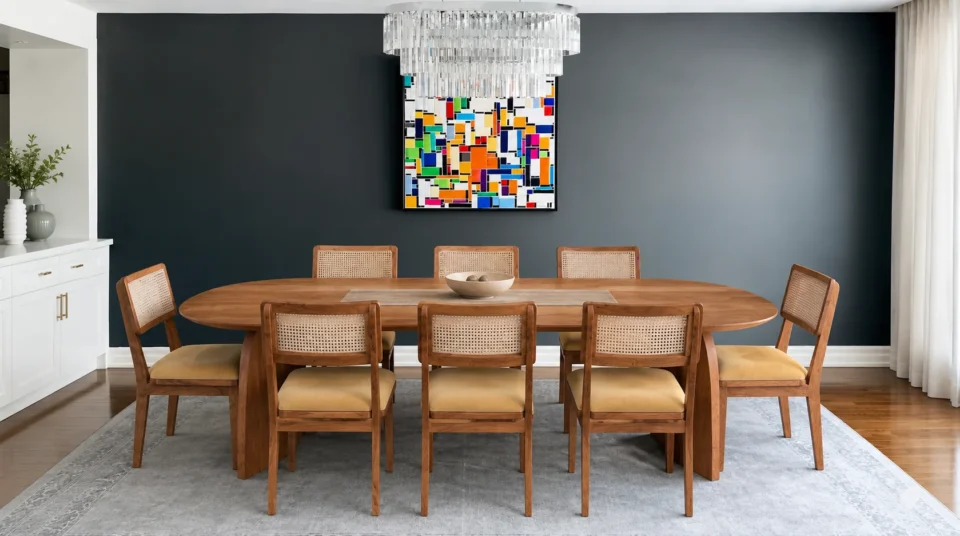
“Furnishing a luxury home is an architectural commitment to craftsmanship, raw material purity, and enduring comfort. Every piece tells a story of patience and precision.”
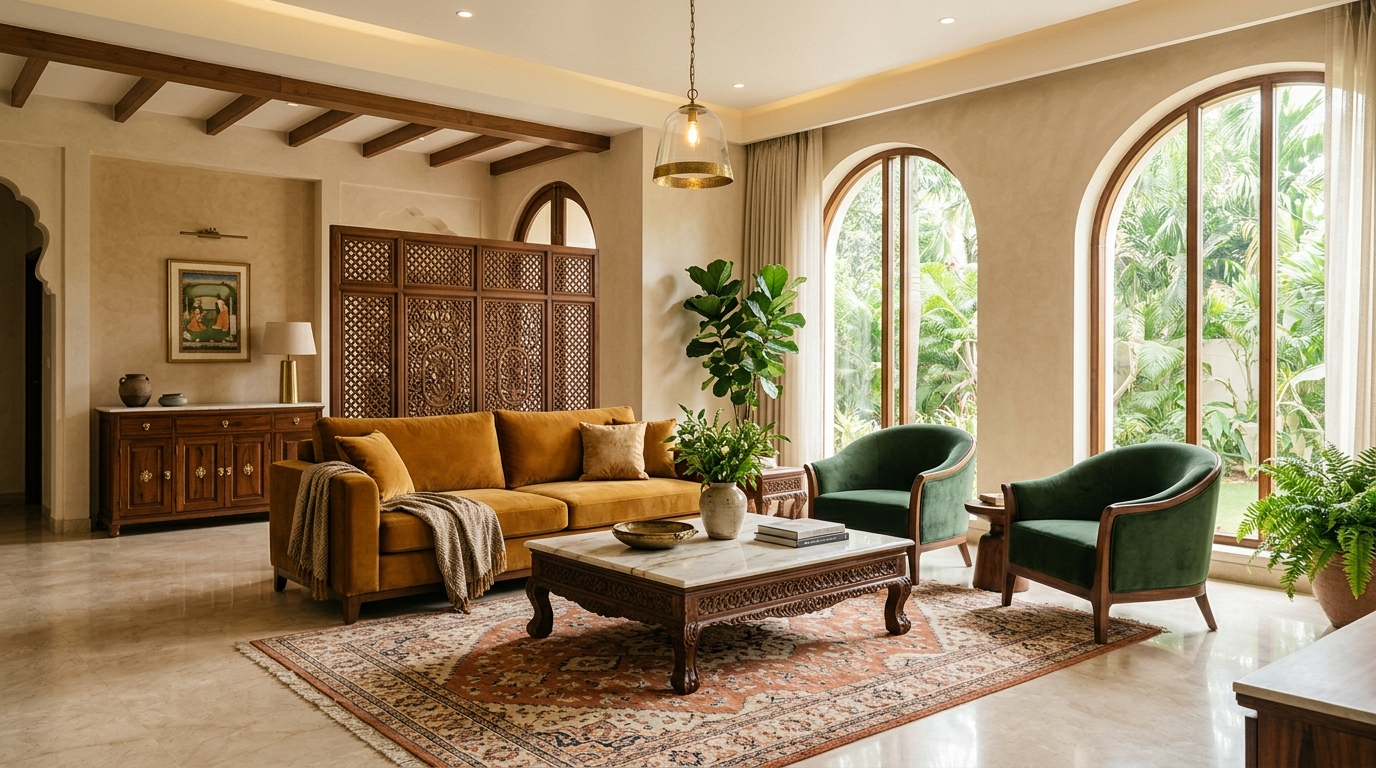
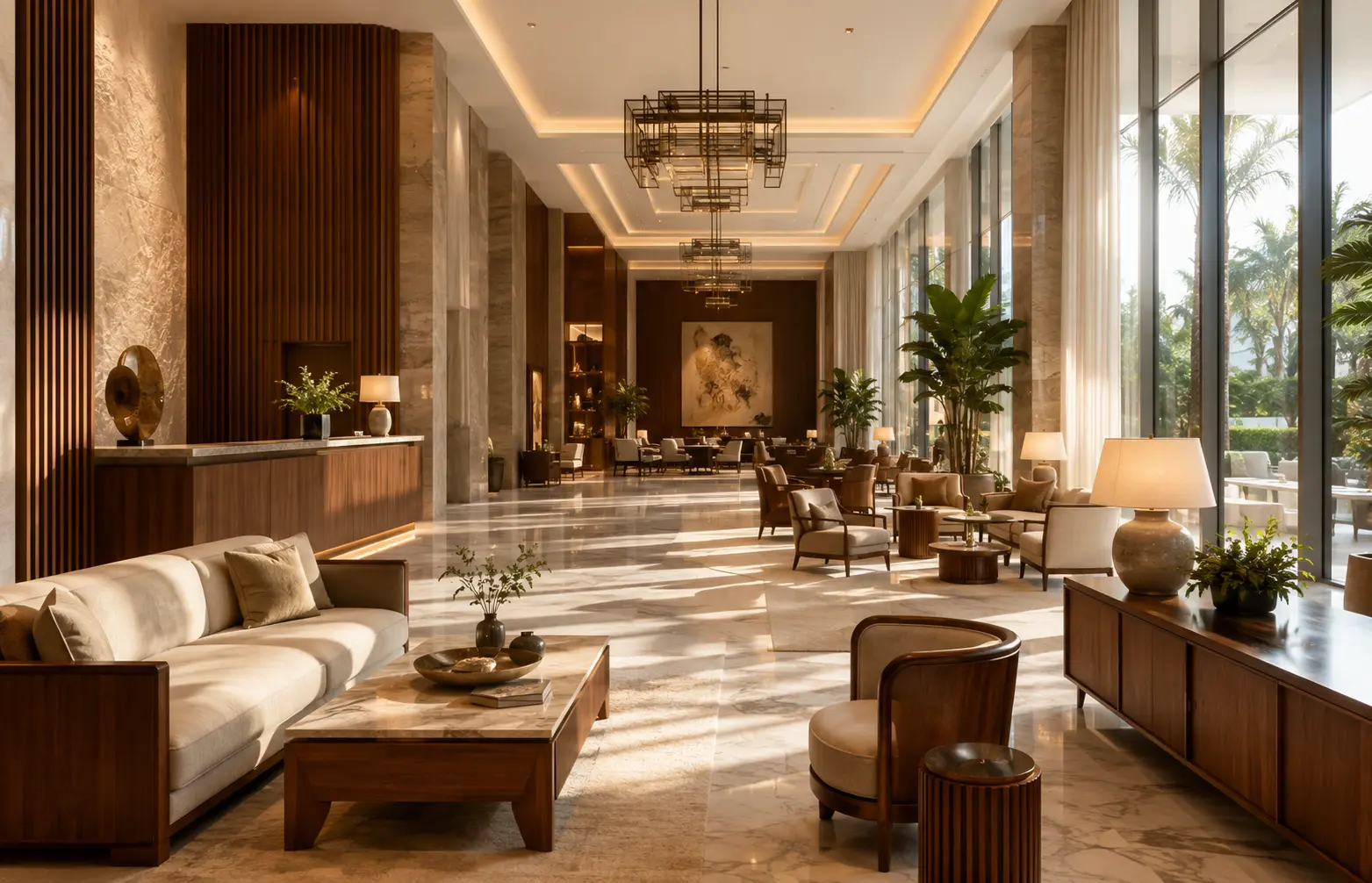
Furnishing a luxury home, private villa, or boutique hotel is far more than a simple purchasing exercise; it is an architectural commitment to craftsmanship, materials, and enduring beauty. When you select luxury furniture, you are curating the daily canvas of your life. Every curve of solid teak, every hand-chiseled dovetail joint, and every tactile layer of full-grain Italian leather contributes to an atmosphere of understated opulence.
In an era dominated by fast-furniture trends and mass-produced flat-packs, true luxury stands distinctly apart. Genuine luxury home furniture is engineered to last for generations, acquiring a rich character and patina with time rather than degrading into landfill waste. However, discerning true heirloom quality from clever surface marketing requires a trained eye and technical understanding.
This comprehensive luxury furniture buying guide provides you with the exact criteria used by master artisans, interior architects, and furniture conservators. Whether you are furnishing a expansive living room in a modern luxury penthouse, detailing a master bedroom sanctuary, or specifying high-durability contract pieces for a boutique hotel, this guide will empower you to invest with absolute confidence.
At Zaioraa, we believe that exceptional furniture harmonises raw material purity with centuries-old joinery traditions and contemporary spatial ergonomics. Through this field guide, we share our passion for fine woodworking, helping you identify authentic premium quality and make choices that reflect your personal aesthetic values.
Why Luxury Furniture Is Worth the Investment
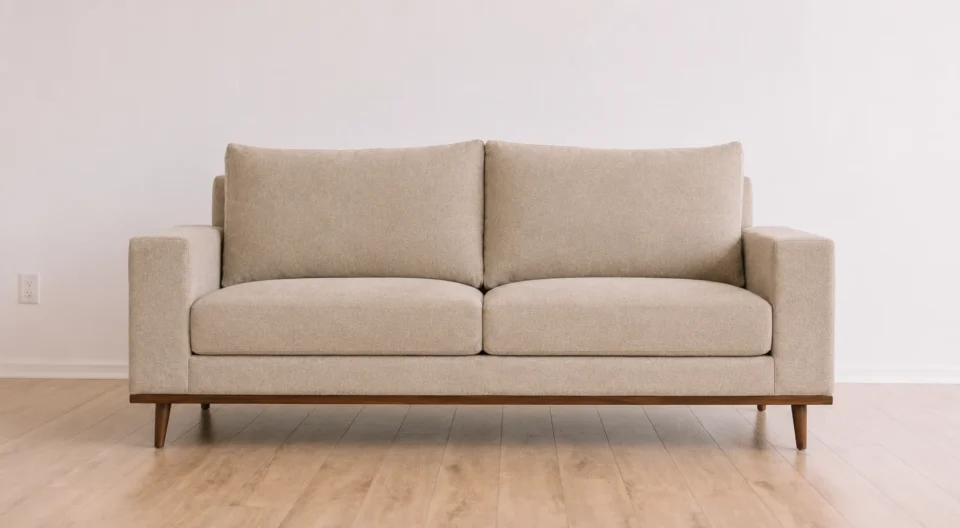
Investing in premium luxury furniture represents a conscious shift from disposable consumerism to sustainable, long-term value creation. While mass-market furniture carries a lower initial price tag, it inevitably demands replacement every few years due to structural sagging, veneer peeling, and loose joint hardware. Conversely, handcrafted luxury furniture retains its structural integrity and aesthetic relevance for decades.
1. Heirloom Longevity & Financial Sustainability The true value of luxury wooden furniture is measured over time. High-grade solid hardwoods like Grade-A Teak and American Walnut naturally resist fungal decay, woodborers, and structural fatigue. When you calculate the lifetime cost per year, a solid teak dining table crafted by Zaioraa far outperforms cheap engineered wood alternatives that require frequent replacement. Furthermore, antique and bespoke solid wood furniture pieces frequently appreciate in value as rare timber resources become scarcer worldwide.
2. Superior Tactile & Visual Aesthetics Mass-produced furniture relies heavily on synthetic laminates and printed wood grain papers glued over compressed sawdust. These artificial surfaces lack depth and warmth. In contrast, solid hardwood displays authentic grain variations, natural fiddleback figures, and rich color depth that react dynamically to natural sunlight throughout the day. Hand-finished oil coatings enhance these organic textures, offering a tactile warmth that synthetic polyesters cannot replicate.
3. Uncompromising Ergonomic Support & Health True luxury extends beyond aesthetics into human ergonomics and wellness. Cheaper furniture frequently emits Volatile Organic Compounds (VOCs) and formaldehyde fumes from synthetic glues and cheap particle board bindings. Zaioraa prioritises eco-friendly, non-toxic wood oils and water-based lacquers alongside anatomically sculpted wooden frames and multi-density High-Resiliency (HR) foam. This ensures optimal lumbar support, correct posture alignment, and healthy indoor air quality for your family.
4. Eco-Responsibility & Sustainable Forestry Luxury furniture makers operate under strict environmental stewardship standards. High-end ateliers source timber exclusively from responsibly managed, legally certified forests (such as FSC-certified teak and walnut plantations). Because a single piece of solid wood furniture lasts 50 to 100 years, its carbon footprint is exponentially lower than fast furniture that ends up in municipal landfills every 36 months.
How to Identify Premium Furniture Quality
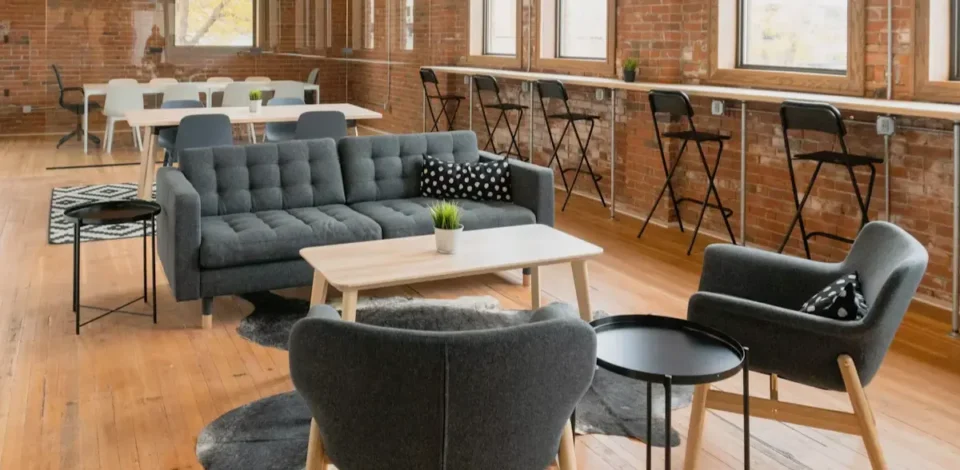
To the untrained eye, two dining tables or sofas may look remarkably similar on a showroom floor. However, structural integrity, material density, and joinery mechanics dictate whether a piece will flourish or fail over time. Here is how master furniture makers evaluate quality.
Solid Wood vs Engineered Wood
The fundamental foundation of any luxury wooden furniture piece is the timber itself. Understanding the structural differences between solid wood and engineered substitutes is vital before making any purchase.
Solid wood consists of complete, uncut timber boards milled directly from felled trees. It possesses natural cell structures that allow the wood to breathe, flex slightly under seasonal temperature shifts, and maintain immense load-bearing strength. If a solid wood tabletop suffers a scratch or burn, it can be sanded down, re-stained, and hand-waxed back to pristine condition repeatedly.
Engineered wood (such as Medium-Density Fibreboard or Particle Board) consists of wood fibers or wood chips bound together under high heat using synthetic urea-formaldehyde resins. While engineered wood is cheap and uniform, it lacks structural memory. When exposed to humidity or liquid spills, engineered board swells irreversibly, causing the exterior veneer layer to blister and peel away.
Precision Joinery Techniques
In cheap furniture, wooden panels are held together using visible metal brackets, pocket screws, or plastic dowels glued under pressure. Under regular household use, these fasteners loosen, causing the frame to wobble and squeak.
Luxury furniture relies on traditional mechanical joinery—where interlocking wooden components create a self-supporting structural bond:
1. Mortise and Tenon Joints:
The cornerstone of luxury chair legs and table aprons. A wooden peg (tenon) fits precisely into a carved cavity (mortise), secured with hidden internal wood pins. 2. **Dovetail Joints:** Interlocking trapezoidal pins and tails used in premium drawer construction. Dovetail joints resist pull forces effortlessly without relying on mechanical nails or screws. 3. **Corner Block Reinforcements:** High-end sofas and dining chairs feature solid hardwood triangular blocks screwed and glued at 45-degree internal frame angles to absorb torsional stress. 4. **Tongue and Groove:** Used in wide solid wood tabletops to allow natural lateral expansion while keeping the surface perfectly flat across seasons.
At Zaioraa, our master artisans employ precision hand-cut dovetails and mortise-and-tenon framing across all living room, bedroom, and dining collections.
Wood Seasoning & Moisture Control
Timber is a natural hygroscopic material; it absorbs and releases moisture based on ambient relative humidity. Freshly felled green timber contains up to 50% water weight. If raw timber is crafted into furniture without proper seasoning, it will twist, cup, and crack as it dries indoors.
Premium furniture manufacturers subject timber to computer-controlled Kiln-Drying chambers for 30 to 45 days. This process carefully reduces internal moisture content to a precise target range of **8% to 12%**. This structural stabilization ensures that Zaioraa wooden furniture remains dimensionally stable whether placed in a humid coastal villa or an air-conditioned city apartment.
Furniture Finish & Surface Treatment
The finish on luxury furniture serves a dual purpose: protecting the timber from spills and enhancing its natural visual beauty.
Hard-Wax Oils (Organic):
Made from natural plant oils and beeswax. They penetrate deep into timber pores rather than forming a plastic film on top. This maintains a natural, open-grain matte finish that is exceptionally easy to touch up at home. * **Polyurethane (PU) Lacquer (Satin / Gloss):** Applied in dust-free spray booths in multi-layer coats. High-grade PU finishes provide superior heat, scratch, and liquid resistance for dining tables and hospitality furniture. * **French Polish & Shellac:** Traditional hand-rubbed finish reserved for classic heirloom showpieces, delivering an unmatched deep mirror lustre.
Hardware Quality & Motion Engineering
A piece of furniture is only as smooth as its moving hardware. Premium furniture incorporates concealed, heavy-duty soft-close mechanisms manufactured by industry leaders such as Blum, Hettich, or Sugatsune.
When opening a drawer on a luxury credenza, the drawer should slide effortlessly on full-extension undermount runners capable of supporting 30 to 50 kg without sag. Doors should close silently during the final 2 cm of travel via integrated hydraulic dampeners.
Upholstery Quality, Cushion Cores & Leather Grading
When evaluating luxury sofas, armchairs, and upholstered beds, look beyond the surface fabric pattern to inspect the underlying internal construction:
High-Resiliency (HR) Polyurethane Foam:
Cheap sofas use low-density foam (under 24 kg/m³) that collapses within 12 months. Luxury sofas feature HR foam cores with a minimum density of 32 to 40 kg/m³, wrapped in feather-down jackets or Dacron fiber batting for plush surface softness coupled with core firmness.
8-Way Hand-Tied Springs:
The gold standard of traditional sofa seating. Coiled steel springs are individually hand-tied in eight directions using heavy-duty twine, distributing weight evenly across the entire frame.
Full-Grain Leather vs Top-Grain:
Full-grain leather uses the unblemished outer layer of the hide, retaining natural grain markings and developing a luxurious patina over decades. Avoid “bonded leather” or “PU leather,” which are synthetic plastics that peel within 2 to 3 years.
Choosing Furniture Room by Room
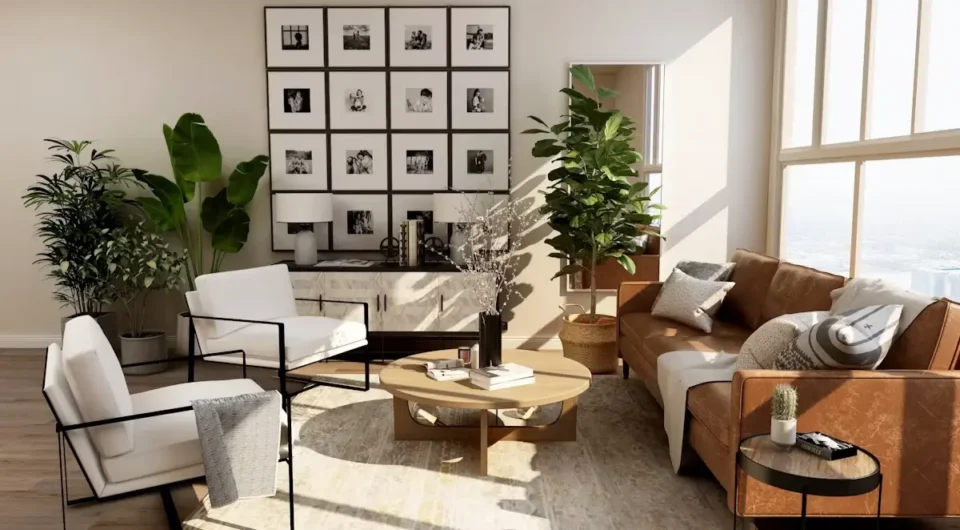
Every room in your home serves a distinct functional and emotional purpose. Achieving cohesive luxury requires selecting furniture scaled precisely to each architectural space while honoring clearance and traffic flow rules.
Living Room: The Conversational Anchor
The living room is the social heartbeat of the luxury home—a space for effortless entertaining and quiet evening relaxation.
1. Sofa Scale & Layout:
The primary sofa sets the focal point of the living room. For large living rooms (over 25 square meters), consider a modular sectional or dual facing 3-seater sofas positioned around a central coffee table. Ensure the main sofa depth aligns with your lifestyle: 95–100 cm for structured formal seating, or 105–115 cm for deep lounging.
2. Coffee Table Proportions:
A luxury coffee table should measure roughly two-thirds the length of your main sofa. Maintain a clearance distance of **40 to 45 cm** between the coffee table edge and the sofa cushions—far enough for comfortable legroom, yet close enough to reach a drink.
3. Accent Chairs & Swivels:
Pair your primary sofa with two contrasting lounge chairs. A pair of solid walnut armchairs with leather or bouclé upholstery creates dynamic textural contrast against a woven fabric sofa.
4. Media Consoles & Credenzas:
Wall-mounted or floor-standing credenzas should extend at least 15–20 cm wider than your television screen on either side to maintain visual equilibrium. Ensure back panels feature discreet cord management ports and ventilated heat slots for high-end audio-visual receivers.
Bedroom: The Personal Sanctuary
Your bedroom should evoke the serene luxury of a 5-star presidential suite, prioritizing restorative sleep, tactile comfort, and decluttered organization.
1. Bed Frame Architecture:
The bed is the central architectural monument of the room. A solid wood bed frame with an integrated upholstered headboard combines structural warmth with comfortable late-night reading support. Ensure nightstands align flush with the top mattress height (typically 60–65 cm from the floor).
2. Nightstand Proportions:
Avoid undersized nightstands next to grand king bed frames. Select wide, 2-drawer nightstands (60–80 cm wide) with soft-close drawers to keep personal items neatly out of sight.
3. Dressers & Armoires:
Choose tall dressers or wide 6-drawer credenzas crafted from matching timber species. Deep drawer boxes lined with soft felt protect delicate jewelry, cashmere, and luxury watches.
4. Bed-End Benches:
Placing a slim upholstered bench or solid wood trunk at the foot of your bed adds an elegant hotel-style layer while providing a functional spot for morning dressing.
Blog
Get fresh home inspiration and helpful tips from our interior designers